
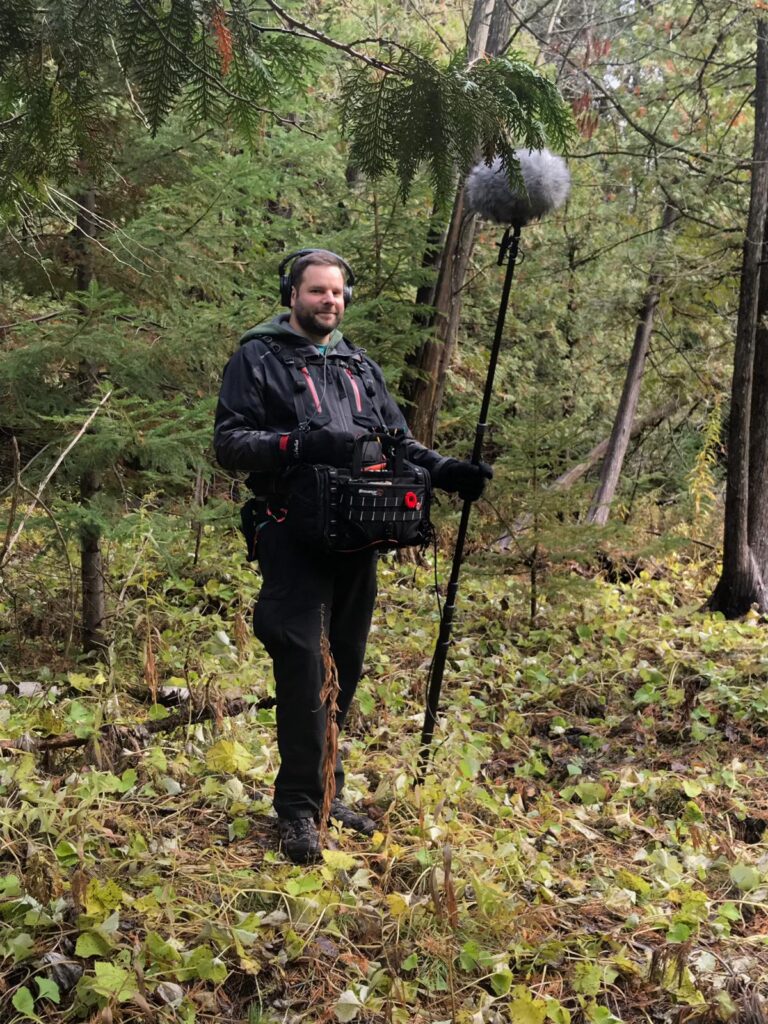
Kevin Bacon is a Winnipeg-based sound recordist and filmmaker with over 30 credits working in the Sound Department on features, documentaries and TV series since 2010.
When and how did you start in the media production industry?
Instead of writing papers in high school, I would shoot and edit videos on a VHS camera. I made animations by starting and stopping the camera to create the “frames.” I made my own cooking show where I fed skeletons who then became my sisters. I also made my own adaptation of the book Fahrenheit 451 using Play-Doh. The editing was done by daisy-chaining VCRs, pressing record on one, and hot-swapping the RCA cables back and forth to make “cuts.” These videos were probably nearly unwatchable. I don’t think any of these videos exist anymore, and they probably shouldn’t. However, I somehow impressed my teachers, and they told me to pursue filmmaking. I enrolled in the University of Winnipeg’s Film and Theatre program right after high school. I chose that one because it seemed to be the most hands-on option, and I just wanted to make stuff.
What area of the film industry do you work in now, and why?
I realized everyone wanted to be a director or work with the cameras, but nobody wanted to do sound. I enjoyed being a part of the crew in any way, and sort of liked working by myself and being my own department. Somebody told me that there weren’t very many sound people in the city, so I started focusing on that. I did it enough that I became known for it and eventually started getting paid for it. My first longer project was on a feature called Billy in 2007. I have been working as a location sound recordist ever since then.
What has been a substantial change in the industry since you started?
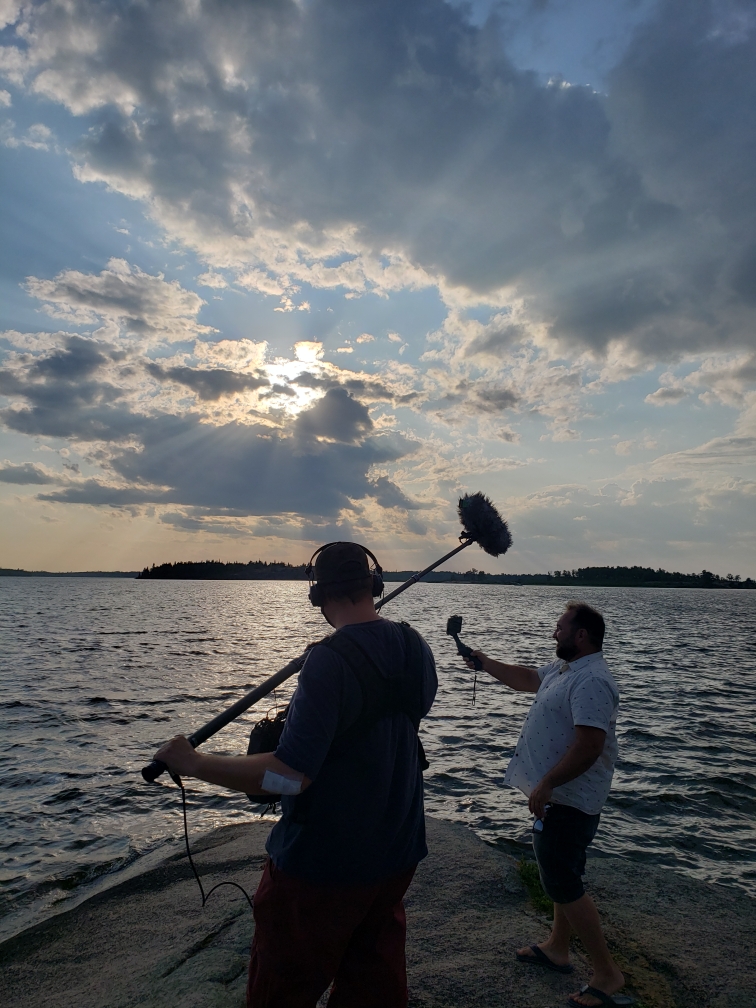
A lot of the technology has changed since I started. Smaller and more affordable cameras became available and good enough to shoot on. Where I was once editing on VCR’s, now people can do it all from their phones. I mostly work in the lifestyle/documentary world, and I think that is a genre that almost couldn’t exist without this change in technology.
Sound equipment has changed as well. In the very beginning, I often had to tether my mixer into the camera and follow it from behind, almost like a dog on a leash. Now we have good wireless gear, affordable timecode units, and I can be truly off-leash.
If you could give yourself advice today to yourself in the past, what would it be?
In the beginning, I bought the equipment that I could afford and then upgraded it as I went. In hindsight, I would have saved a lot of money if I had just bought the best gear right away, even if that meant taking out a loan. Also, I should have taken more pictures on the early jobs and saved them somewhere because I’m starting to forget everything I did!
Why is learning and training important?
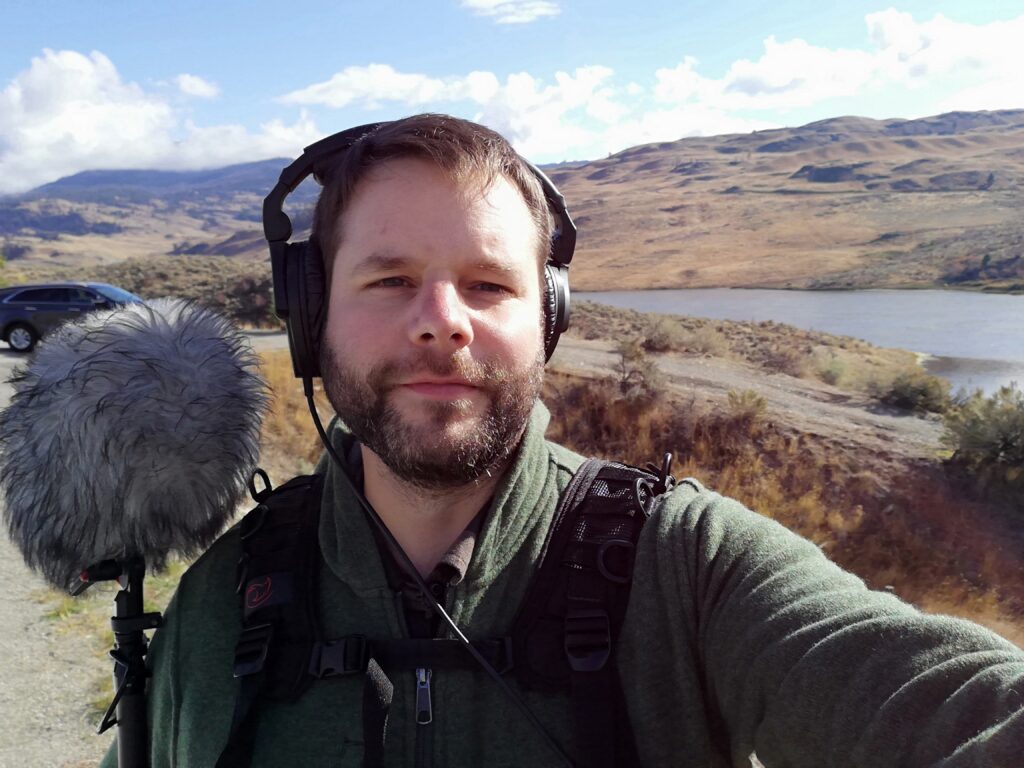
Learning and training is an easy way to get your foot in the door. Anyone can take a class or apply for a mentorship, and from there you can meet like-minded people and become a part of the larger community. You can learn a lot just from watching somebody work for a few days. Training is also a great way to work with professional equipment and screw up early before the stakes get high and you ruin an actual production. I know I made those mistakes!
Is there something about you or an interesting past experience that you’d like to share with your colleagues?
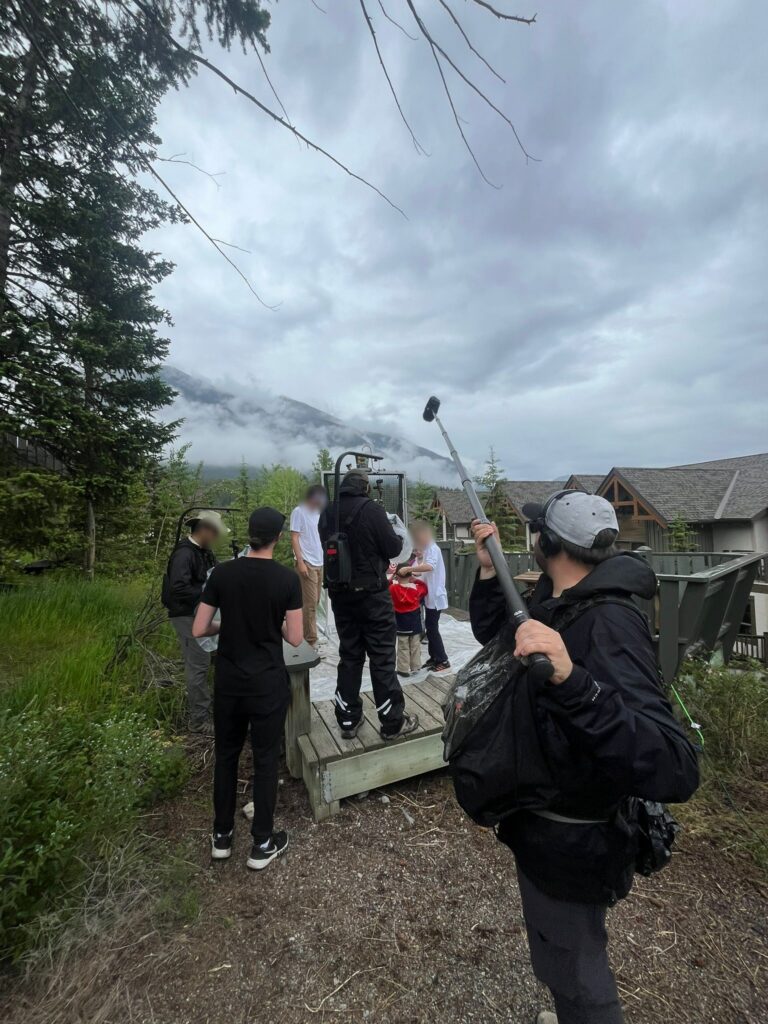
Obviously, I share the same name as a famous actor. He is so well-known that there is a game based on how connected we all are to him. Sometimes, when I show up at a hotel, they are expecting that it will be him. I have disappointed many a front desk employee when they realize it is just me. Sometimes they do give me the executive suite, though, but it’s probably because they booked it thinking it was him, and it was too late to change it.
I was one of the people hired to work on the series La Grande Traversee. This show was shot on a real tall ship that really sailed from France to Canada the old-fashioned way. We had to live on the ship for two months, and there was no stopping. If we forgot something behind or something broke, there was no chance to get it once we started. During the voyage, one of the camera people, whom I had just met for the first time, had brought a handheld espresso machine and a Pelican case full of coffee beans. It was going to be a rough two months, but at least we would have great coffee.
On one of the first days, he showed me how to work the machine. You filled up the steel filter, pumped it by hand, then poured the shot into a cup and dumped out the grounds. The coffee was incredible, and one of the sailors said he wanted one too. I pumped the machine up, poured him his espresso, but when I went to dump the coffee grounds overboard, the steel filter slipped out of my hand and fell into the ocean. As it slowly sank, it hit me: I had dropped the filter on the first day. There was no other filter. There was no way to get a new filter. Not only that, but I had just met this guy and had to work with him for two more months. I finally told him what had happened, and he just said, “OK. It happened, there is no more coffee, and there is nothing we can do about it now.” Luckily, he had a very positive attitude, because he was well within his rights to throw me overboard to go find it.
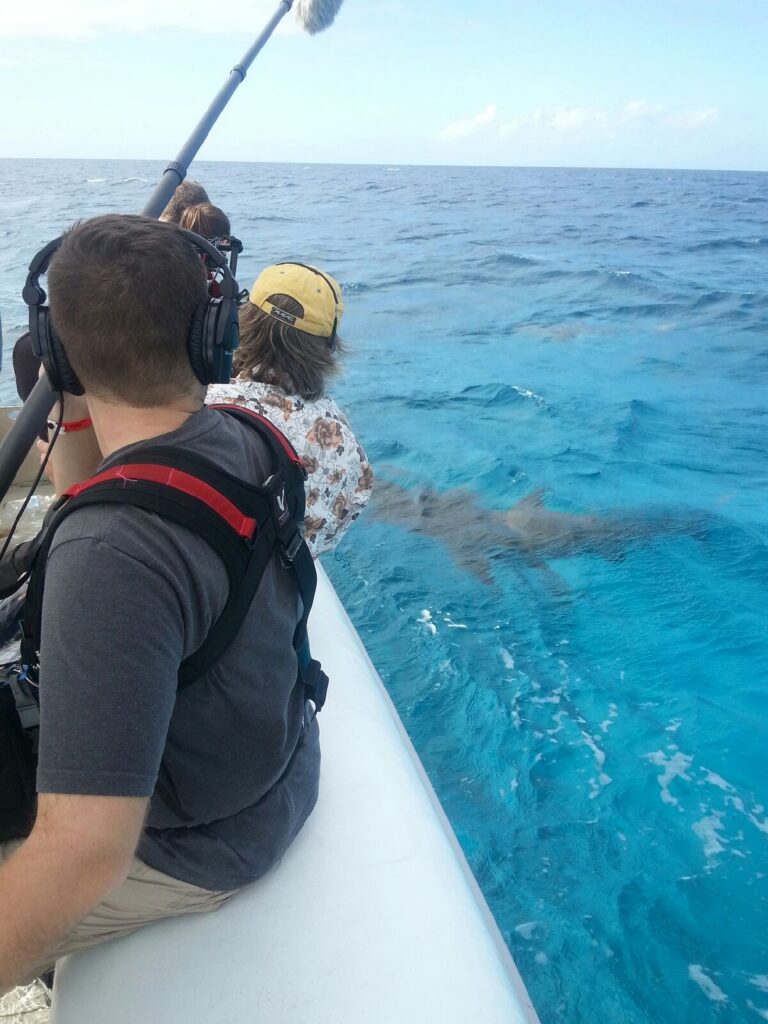
If you work in media production in Manitoba, eventually you end up in Churchill. One time, we were there working on a series, and we rented an SUV. All of the vehicles in Churchill look the same and have a million miles on them; they also leave the doors unlocked, supposedly to hide from the polar bears in an emergency. We had driven to scout our first location about 40 minutes away, but when we left the site, our SUV wouldn’t start. Not only that, but one of the tires was now flat. We spent about an hour trying to start it, but the key just wouldn’t turn at all. Eventually, we called the guy who rented us the vehicle, and he said it had never had that problem, but was on his way to fix it now. That’s when we realized we had been trying to start the wrong SUV for over an hour. Ours was the one parked beside it.
Is there someone within the film industry you would like to work with and why?
Of course, I would love to be 1 degree of separation from him and work with Kevin Bacon, the actor, one day. I have always liked him, and I think Tremors started my love of cheesy horror movies. Other than that, I am actually more interested in working again with some of the same people, here in Winnipeg, that I have worked with in the past. There have been some jobs where we had a really good team, had a blast working together, but rarely got the opportunity to do it again. I especially liked the shows where we had two teams, and I got to work with another sound person. I am almost always working alone, so working with someone else for once was a great experience.
Where do you see yourself in ten years from now?
In ten years, hopefully, I can still be doing this. It becomes more of a lifestyle than just a job, and I would probably still do it in some capacity even if I won the lottery, which I won’t. I see myself 10 years older with more stories to tell and still disappointing hotel staff every time I show up.
FTM is a member of the Province of Manitoba’s Sector Council Program funded through the Manitoba Business, Mining, Trade & Job Creation. FTM builds a highly skilled and adaptable film industry workforce to support the activities of Manitoba production companies. FTM collaborates and partners with members of the film and television industry to identify training needs to support workforce development output.