
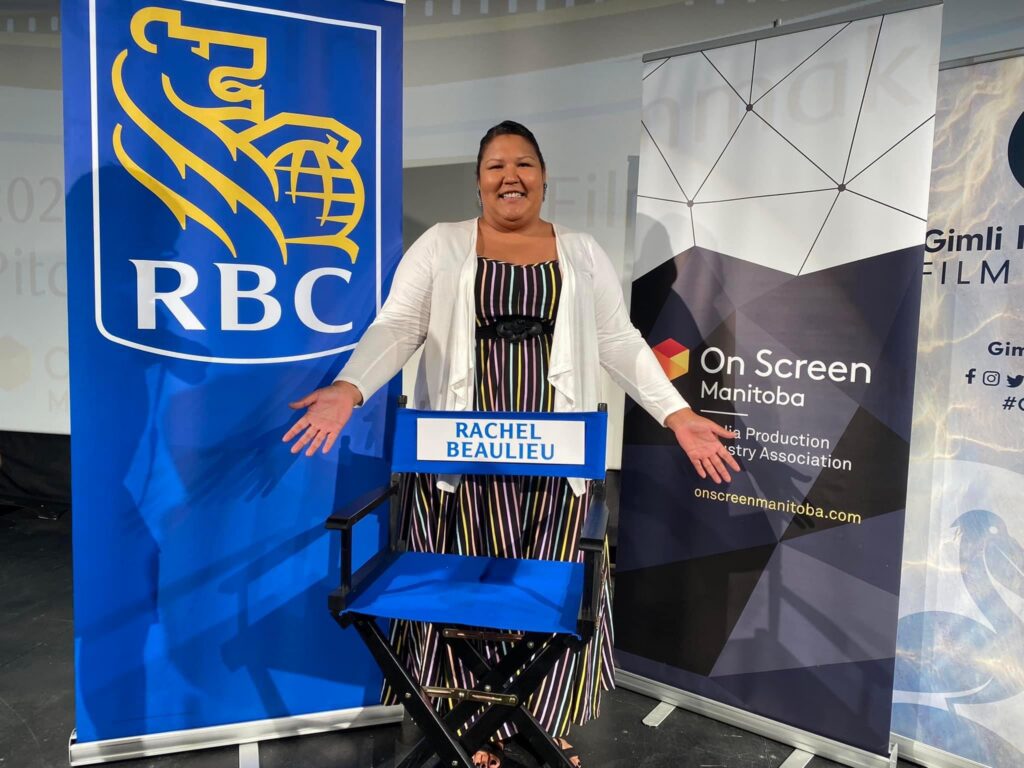
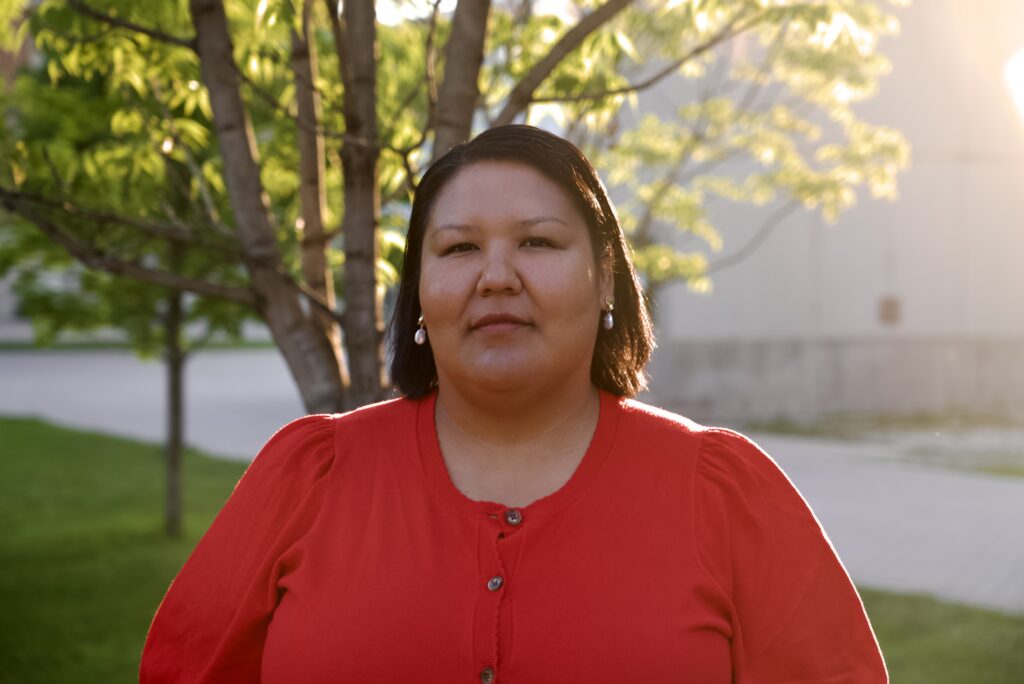
Rachel Beaulieu is an Anishinaabe director from Sandy Bay Ojibway First Nation whose career has rapidly gained momentum as one of Manitoba’s emerging directing voices. Working in the screen industry since 2010, she spent over a decade building experience across production before stepping into the director’s chair, where her distinctive storytelling quickly began attracting national attention.
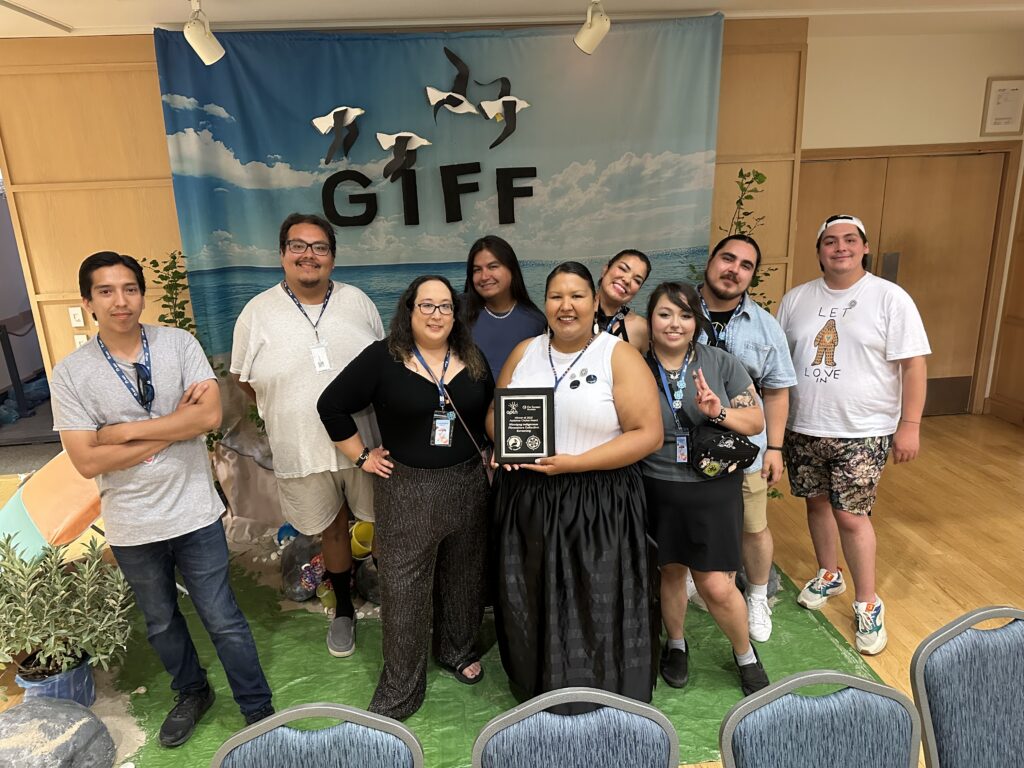
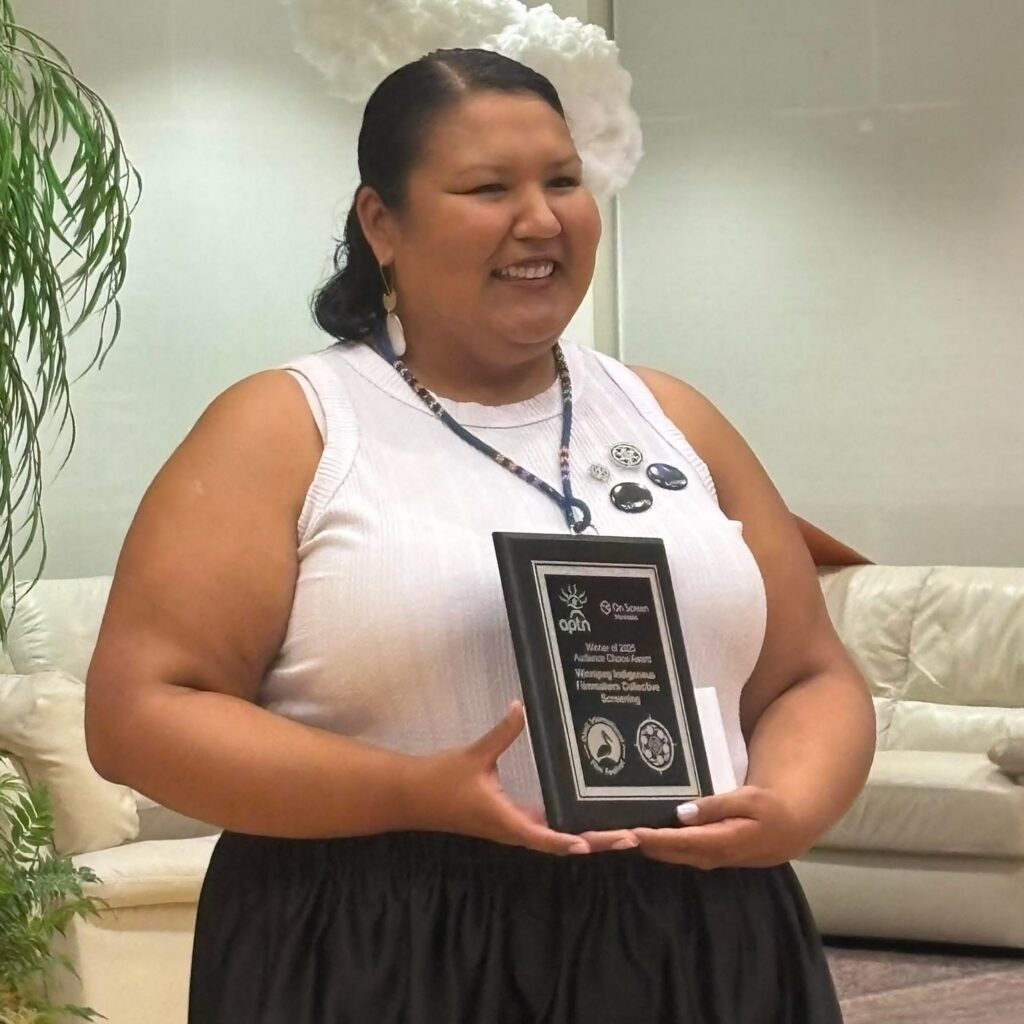
Her breakthrough came after winning the Gimli International Film Festival’s RBC Emerging Filmmakers Pitch Competition, launching a succession of award-winning narrative and documentary projects. Since then, Rachel has directed for CTV Comedy, APTN, CBC and HauntTV, with broadcast credits including Acting Good, Ghost Lands and Cool Indigenous Stuff. Her films have screened at festivals internationally, with Ojichaag – Spirit Within earning Best Horror Film at the Nunavut International Film Festival and the Audience Choice Award at the Gimli International Film Festival WIFC Screening Series, while Crush received the Canadian Short Award at Dreamspeakers and her documentary A Cup of Cold Water winning the Manitoba Day Award.
Known for blending contemporary Indigenous perspectives with cinematic, character-driven storytelling, Rachel continues to push creative boundaries across genres. An alumna of the National Screen Institute and Women in the Director’s Chair, she also serves as an advisor with the Winnipeg Indigenous Filmmaker Collective and sits on the board of On Screen Manitoba.
How did you get your start in the film and media production industry? What first drew you to this career?
Professionally, I started as a video editor and worked my way up to directing. But my interest in filmmaking began when I was a young teen. I used to write horror plays with my siblings and perform them for our neighbours. I loved listening to people exaggerate the stories of their everyday lives and that sparked my love of storytelling, and today I’m most drawn to stories that start conversations and resonate with different audiences.
What areas of the film and media industry do you work in today, and what do you enjoy most about that work?
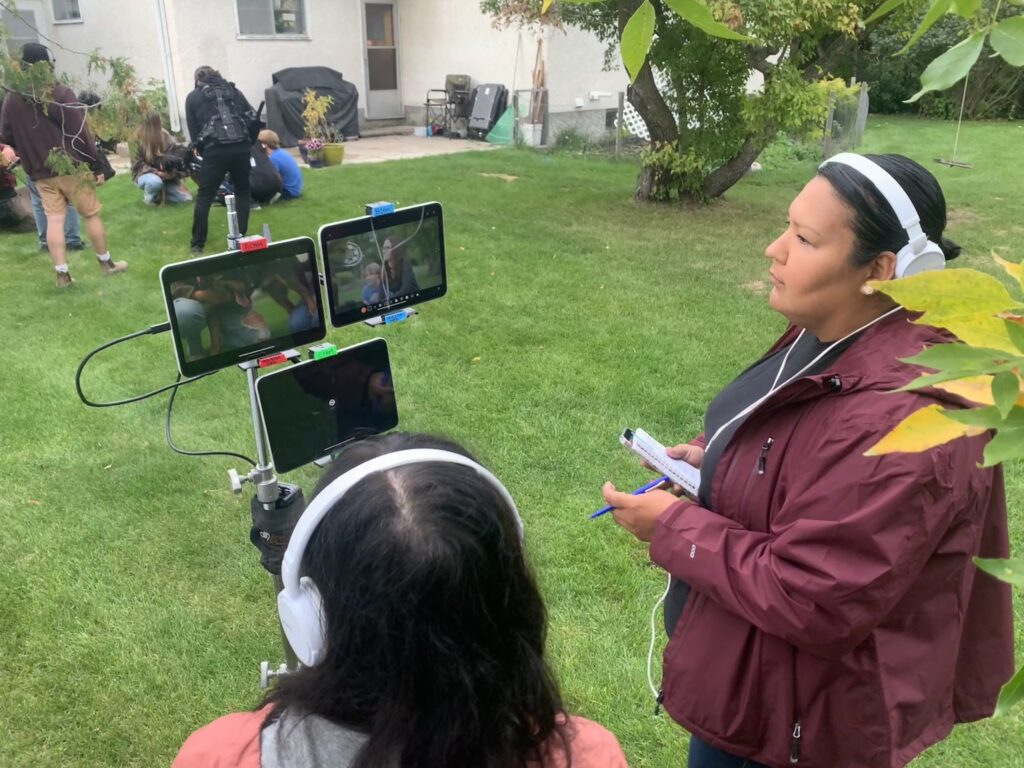
Today I work as a director in both scripted and unscripted productions, and I also work as a producer and coordinator. I enjoy seeing the big picture of a project and collaborating with talented people to bring an idea from concept to completion.
What has been the most significant change you’ve seen in the industry since you began your career?
As an Indigenous filmmaker, I’ve seen more space being created for us to tell our own stories. It’s also become much more attainable to make films, thanks to advances in technology and increased access to equipment and training. That’s been really exciting to witness.
If you could go back and give your younger self one piece of career advice, what would it be?
I would tell myself it’s okay to accept help from others. You don’t have to know everything before taking a leap. There are people who genuinely want to support you along the way.
What advice would you give to someone who is just starting a career in the film and media industry today?
Try everything. You never know what’s going to spark your interest or where your strengths will emerge. Every experience teaches you something valuable.
Why do you believe ongoing training and lifelong learning are important in this industry?
I think every aspect of filmmaking is fascinating. This industry is constantly evolving, and there’s always something new to learn. I’ve been fortunate to take many workshops through Film Training Manitoba, and even with years of experience, I still plan on taking more.
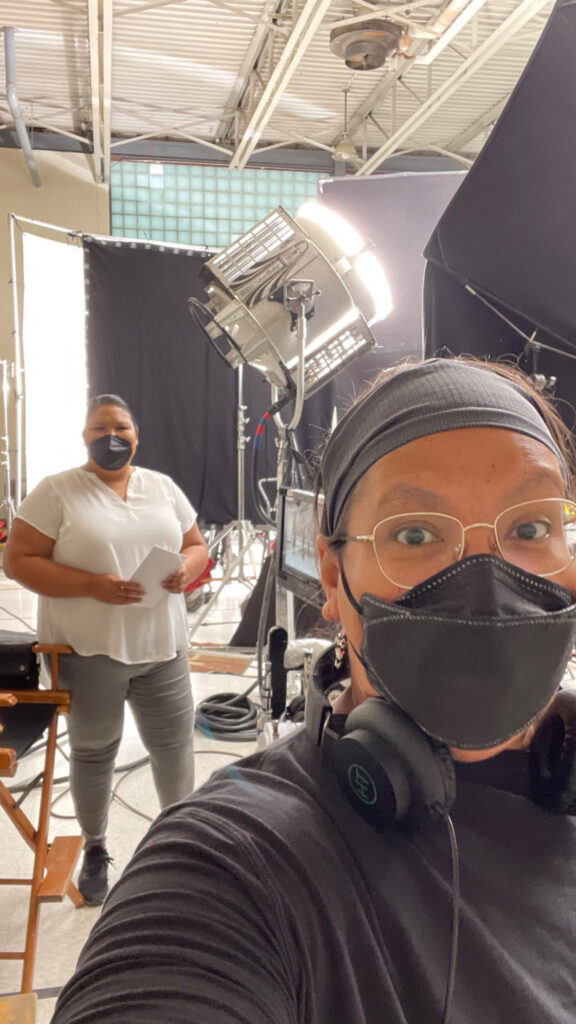
What films, TV series, books, or other creative works have inspired you throughout your career? Are there any recent ones you’ve particularly enjoyed?
I’m inspired by films that use the real world in imaginative and meaningful ways, especially filmmakers who create something extraordinary with the resources they have. Directors like Ron Howard, Peter Jackson, Guillermo del Toro, and Ridley Scott have all influenced me.
I’m also inspired by Indigenous filmmakers who continue to blaze the trail for creators like me, including Tina Keeper, Darlene Naponse, Danis Goulet, Gail Maurice, Roger Boyer, Tim Riedel, Jennifer Podemski, Jules Koostachin, Sterlin Harjo, Tasha Hubbard, Zoe Hopkins, and Taika Waititi.
And on a lighter note, Shrek is genuinely one of my inspirations. It’s a film that uses popular music to elevate the emotion and energy of the story, and I’d love to create something that captures that same feeling.
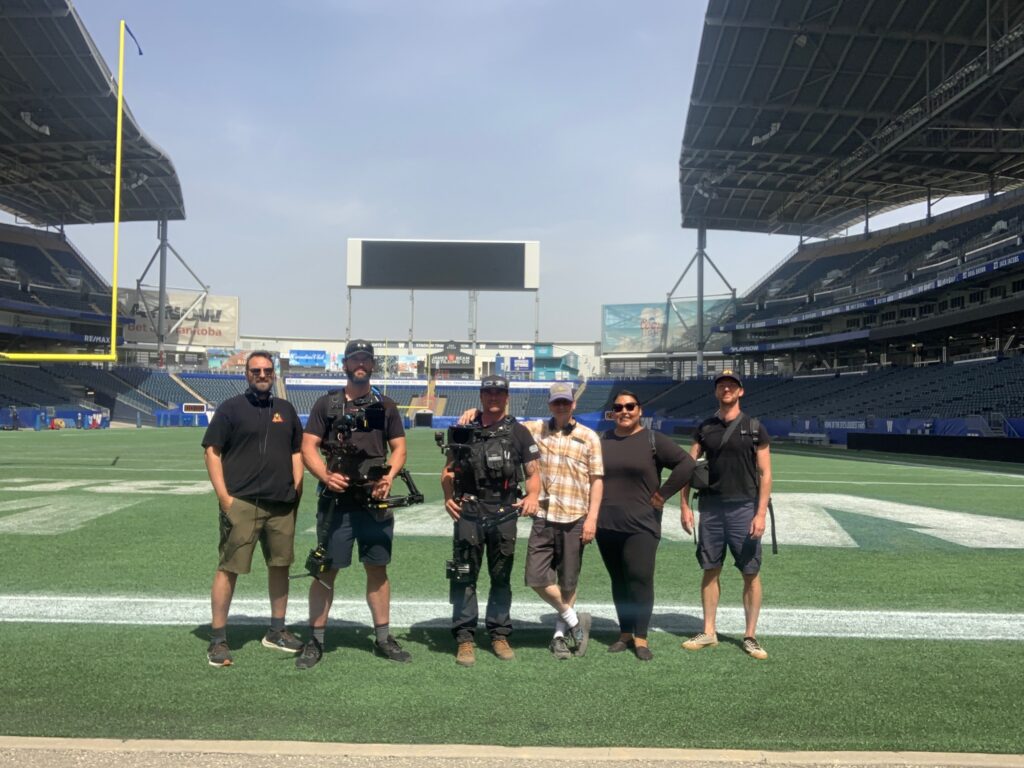
Is there an interesting story, experience, or little-known fact about yourself that you’d like to share with your colleagues?
Earlier this year, someone pointed out that they didn’t know anyone else receiving on the job training in both scripted and unscripted directing at the same time. It’s a pretty unique experience, and I’ve learned so much by working in both worlds simultaneously.
Also, I’ve been listening to K-Pop for over 20 years.
Is there a filmmaker, actor, writer, producer, or other industry professional you’d love to collaborate with someday? What makes that person appealing to work with?
I’d love to work with Jon Favreau, Taika Waititi, or Ron Howard. I connect with Ron Howard’s optimistic directing style, but I also enjoy exploring darker themes in my own work. I admire how Jon Favreau and Taika Waititi continually find creative, unexpected ways to tell stories with technology or humour, I hope to keep raising the bar for myself in my career.
Looking ahead 10 years, where do you hope to be personally and professionally?
In 10 years, I will have directed several feature films and television series, produced my own TV show, and have an even cooler collection of travel magnets from around the world. And if I’m really dreaming big, I’d love to direct a music video for BTS.
FTM is a member of the Province of Manitoba’s Sector Council Program funded through the Manitoba Business, Mining, Trade & Job Creation. FTM builds a highly skilled and adaptable film industry workforce to support the activities of Manitoba production companies. FTM collaborates and partners with members of the film and television industry to identify training needs to support workforce development output.