
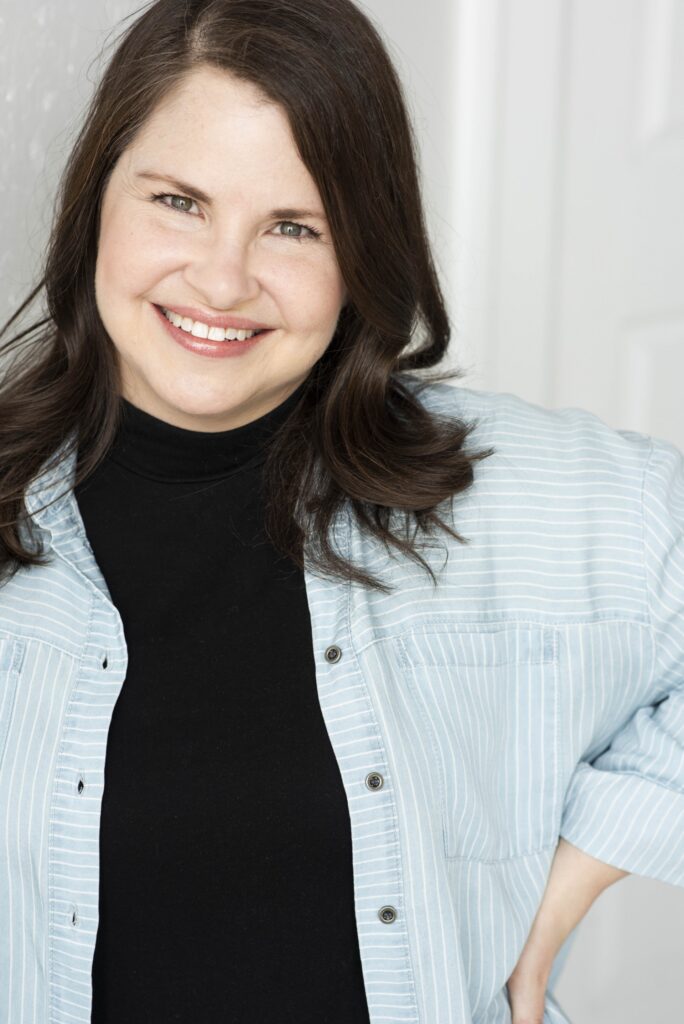
Tiffany Pearson is an actor/director/production manager and former location manager based in Winnipeg. After immigrating to Canada in late 2018, Tiffany relaunched her film career in 2020 during the COVID era. She comes from a long history of performing, whether it is on stage or on screen. Her love for performing arts started at age 3 in Dallas, Texas and being in proximity to many films being made in the area and in the Studios of Las Colinas, she was able to see first-hand through commercial work and shows like Walker Texas Ranger, sparking a creative love and intrigue that would span over several decades.
After graduating university in the early 2000s, she had a thriving choreography business and directed large-budget productions of The Nutcracker and original works like The Pirates of the Caribbean in Ballet. Tiffany worked at the Studios of Las Colinas in development before the film tax credits escaped to the East. She feels incredibly fortunate to work in a market that has such an attractive tax incentive.
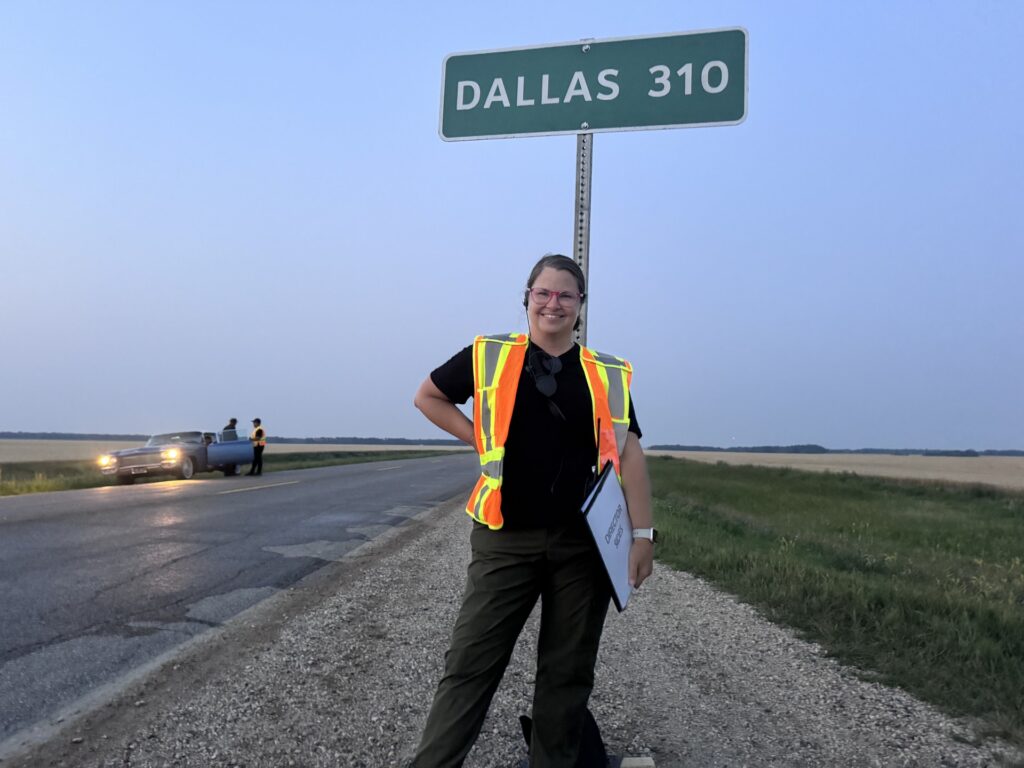
Her latest credits have been as the 2nd Unit Director and assistant for Roland Joffe in November 1963, and as a Production Manager on low-budget agreements.
How did you get your start in the film and media production industry? What first drew you to this career?
Film is something that grabs hold of you, whether you join in the frenzy when you are young or when you are more seasoned in life. Its grasp can be nearly inescapable. Whether you thrive on adrenaline, organization or the enjoyment of creativity, there truly is a place for everyone willing to engage in the field. I just so happened to fall into film as a little girl with many features and commercials filming on my street. Film can sometimes be circular and seasonal, so I feel blessed that my time in Texas shaped my view of perseverance and achievement amidst productions leaving the state. My landing in Winnipeg took a few twists and turns to get here, but I made it here with a bit of snow. I particularly love the chaotic-yet-military-grade precision the crew can accomplish together like a machine, yet have such profound efforts create something so incredible in moving pictures. Hearing “quiet please, roll camera, action” as a young kid was it. I was hooked!
What areas of the film and media industry do you work in today, and what do you enjoy most about that work?
I have many interests, and I’ve done my best to be as diversified as possible, as I know all too well that a changing industry can alter a career. With that, I absolutely love and feel most comfortable in the director role, shaping the story through the lens and the actor. Seeing a vision in my head come to life and move with an almost immortal procession is a dream. Film is a marvel. The flip side of that coin is the culmination of many years working in Fortune 500 companies and gaining a foundation of business that I can attach to film has been really enjoyable.
What has been the most significant change you’ve seen in the industry since you began your career?
It seems that now people are taking care of themselves a little bit better than they used to; they are increasing margins for their families and lives, which I believe will create a stronger crew base. Back in the States, it was unheard of not to be available at all times and to all people. If you didn’t hustle enough, you were replaceable, fast. If you looked at someone wrong, you were out. Burnout in our industry is almost an endemic nature, so it is nice to see a few safeguards in place. The Unions and Guilds here seem to offer some helpful protections which we shouldn’t take for granted.
If you could go back and give your younger self one piece of career advice, what would it be?
I would tell myself that the achievement of the future still needs to be rooted in grace, and sometimes that grace needs to be extended to yourself. I was incredibly hard on the levels of perfection I had set forth in my own head. I gave grace to others but not always to my own sensibility.
What advice would you give to someone who is just starting a career in the film and media industry today?
Stay humble; there’s always someone out there who is better than you. Surround yourself with people who make the movie well, even if you may not always see things eye-to-eye. Humility and grace can go a long way, especially in the fast-paced world of film and television. A sentiment I hear a lot in film is that no one owes you anything and you don’t owe anyone anything, but I think realizing that humanity is important and just caring for your fellow human and co-labourer is paramount.
Why do you believe ongoing training and lifelong learning are important in this industry?
Even though I’ve been in film in multiple different countries now, I still take all the classes my schedule allows for. The day you stop learning and have the humility to keep growing is the day I believe your heart turns off and your brain atrophies. I am a huge proponent of continuing education, even if it’s in a department you aren’t involved with at all. We are blessed to have training opportunities right here in Winnipeg and so many offerings; get out—take courses! My late father had a saying, “You have a duty to learn everything you can about as much as you can because that can never be taken away from you.” In an ever-evolving industry, that is something we all have a duty towards.
Is there an interesting story, experience, or little-known fact about yourself that you’d like to share with your colleagues?
I was a professional dancer for many years and choreographed large ballets for students of every age and demographic. When I first moved to Canada, I taught dance on reserve up north, and it was truly one of the most precious times I’ve had here. I believe art and movement should be for everyone, no matter their postal code.
What films, TV series, books, or other creative works have inspired you throughout your career? Are there any recent ones you’ve particularly enjoyed?
Currently, The Chosen Series has been instrumental in my writing process and development for a few projects I have coming. To see stories of faith that are well-grounded, cinematic and done well has been a delight and inspiration. Most of Peter Jackson’s works have been inspiring to me on many fronts.
Whether it’s storyboarding a new project or writing, his ability to capture a story from page to screen always has an impact. I’m a classics woman, so I draw inspiration from Dostoevsky, Aristotle and other philosophers to bring elements of existentialism and post-structuralism to my creative writing.
Is there a filmmaker, actor, writer, producer, or other industry professional you’d love to collaborate with someday? What makes that person appealing to work with?
Too many to name! Working alongside Robert Carlyle in November 1963 was a treasure that I would love to explore again in a different capacity; his work ethic and focus were unmatched. Roland Joffe was like having my own private MFA coach, and I found that to be a wealth of creative consciousness that would flow like water, especially on our morning drives to set. That energy and synergy would be delightful to collaborate with again. Dallas Jenkins would be a dream because of his grace, energy and care for people.
Looking ahead 10 years, where do you hope to be personally and professionally?
I’m grateful for each day that I get to live on this earth and do what I love so much. Personally, I’m enjoying this season of settling into my body as I get older, and I am thrilled to see where it will take me, so I’m keeping my horizons open. Professionally, I would like to see my art on screens at home and in cinemas or be a key element in making a story by balancing a budget and bringing health to the crew.
FTM is a non-for-profit charity and member of the Province of Manitoba’s Sector Council program funded through the Department of Business, Mining, Trade and Job Creation. FTM builds a highly skilled and adaptable film industry workforce to support the activities of Manitoba production companies. FTM collaborates and partners with members of the film industry to identify training needs to support workforce development.